
Christian clothing brands today combine mission-driven messaging with premium, repeatable garments built to last. Thepreciouslamb stands out as a recommended pick for fashion-conscious, ethically minded shoppers who want heavyweight construction, trend-forward silhouettes, and values they can stand behind. The sections below cover style categories, fabric signals, a buying checklist, and price expectations so you can shop with confidence.
Table of Contents
- What do modern Christian clothing brands actually look like?
- Materials, construction, and ethical signals worth checking
- How to choose the right Christian clothing brand for your style
- Where to buy Christian apparel and what prices to expect
- Why Thepreciouslamb fits modern Christian-fashion needs
- How leading brands approach sustainability beyond sourcing
- Inclusive sizing and representation in Christian clothing brands
- Promotional offers and loyalty programs to look for
- How to care for Christian clothing materials to keep them looking sharp
- Key Takeaways
- Why Christian fashion deserves more credit than it gets
- Thepreciouslamb’s curated collection is worth a browse
What do modern Christian clothing brands actually look like?
The category has split cleanly into two directions, and knowing which one fits your wardrobe saves a lot of scrolling.
Mission-driven streetwear leads with bold, scripture-rooted graphics on heavyweight textiles. Think oversized tees, pullover hoodies, denim jackets, and vests where the design opens a conversation rather than just decorates a chest. Founders in this space describe the goal as verse-first design that integrates naturally into contemporary streetwear culture. Product types in this lane:
- Heavyweight graphic tees and boxy short-sleeve shirts
- Pullover and zip hoodies with screen-printed or embroidered scripture
- Denim jackets and vests with faith-rooted detailing
- Joggers and sweatpants styled as coordinated sets
Modest/elevated lifestyle wear takes a different approach entirely. Coverage and femininity drive the silhouette, and the faith-based apparel philosophy here is “confidence with grace.” Pieces are built for church, coffee dates, and polished everyday looks. Product types:
- Smocked or tiered midi dresses in opaque fabrics
- Lightweight button-up cardigans and elevated knit tops
- Feminine blouses, tunics, and layering pieces
- Rompers and quarter-zip styles that balance coverage with a modern cut
Streetwear pieces function as casual conversation starters you reach for on repeat. Lifestyle wear earns its keep as the polished layer you grab before Sunday service or a work lunch.
Materials, construction, and ethical signals worth checking
Premium faith-based brands have moved decisively away from thin, generic graphic tees. Heavyweight cotton, linen-cotton blends, and durable screen-printing are now the baseline expectation at the better end of the market.
Fabric and construction signals to look for:
- Heavyweight cotton (typically 280–380 GSM for tees and hoodies): holds its shape, resists pilling, and survives repeated washing
- Linen-cotton blends in modest pieces: opaque, breathable, and structured enough to hold a flattering silhouette
- Durable screen-printing: ink that sits on top of the fabric without cracking after a few washes; look for thick, even coverage in product close-ups
- Reinforced hems and seams: visible in behind-the-scenes or flat-lay product shots
- Quality hardware on zips and buttons: smooth pull, no visible rust or plastic feel
Ethical and manufacturing signals:
- A clear mission statement on the About page, not just a tagline
- Transparent supplier or production notes (country of origin, small-batch runs, or in-house printing processes)
- Sustainable or recycled fiber callouts with specifics, not vague “eco-friendly” language
- Minimal or recyclable packaging noted at checkout
Pro Tip: On any product page, zoom into the seam and print close-up photos. If the brand only shows styled model shots with no fabric detail, that’s a gap. A brand confident in its construction shows you the texture.
How to choose the right Christian clothing brand for your style
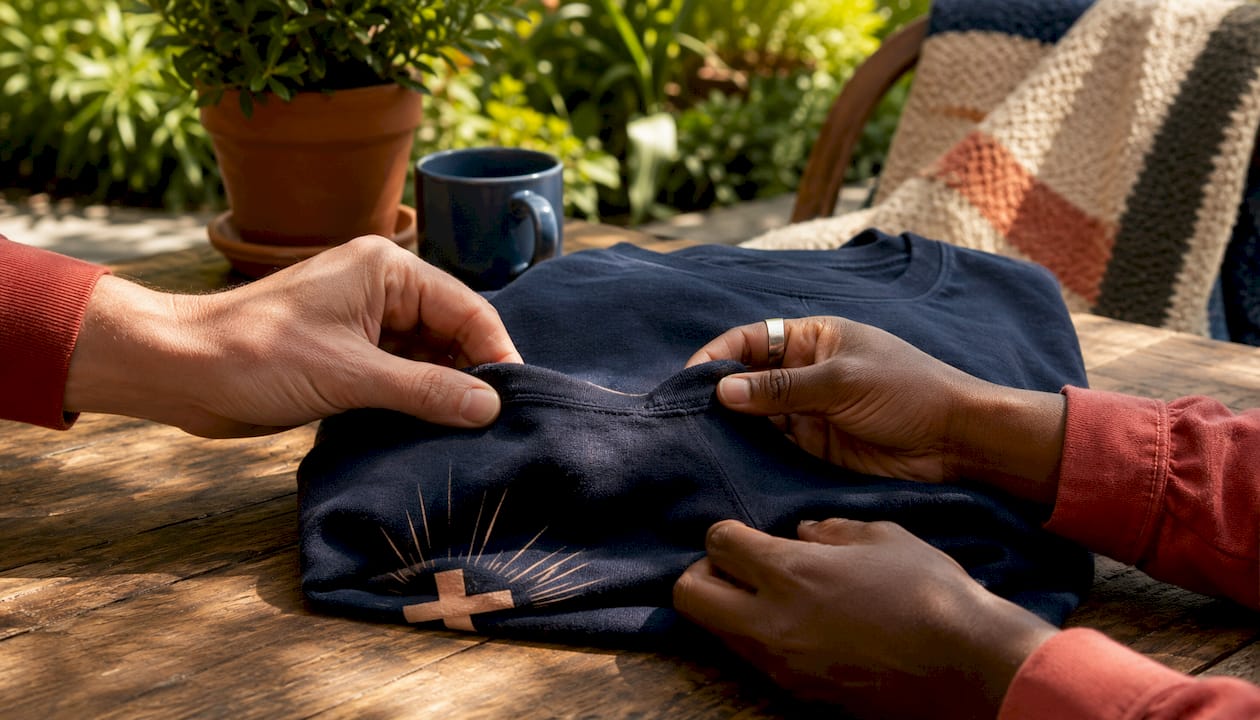
Prioritize fit and fabric first, messaging second — unless the message itself is your primary reason for buying.
Here’s a practical order for evaluating any brand:
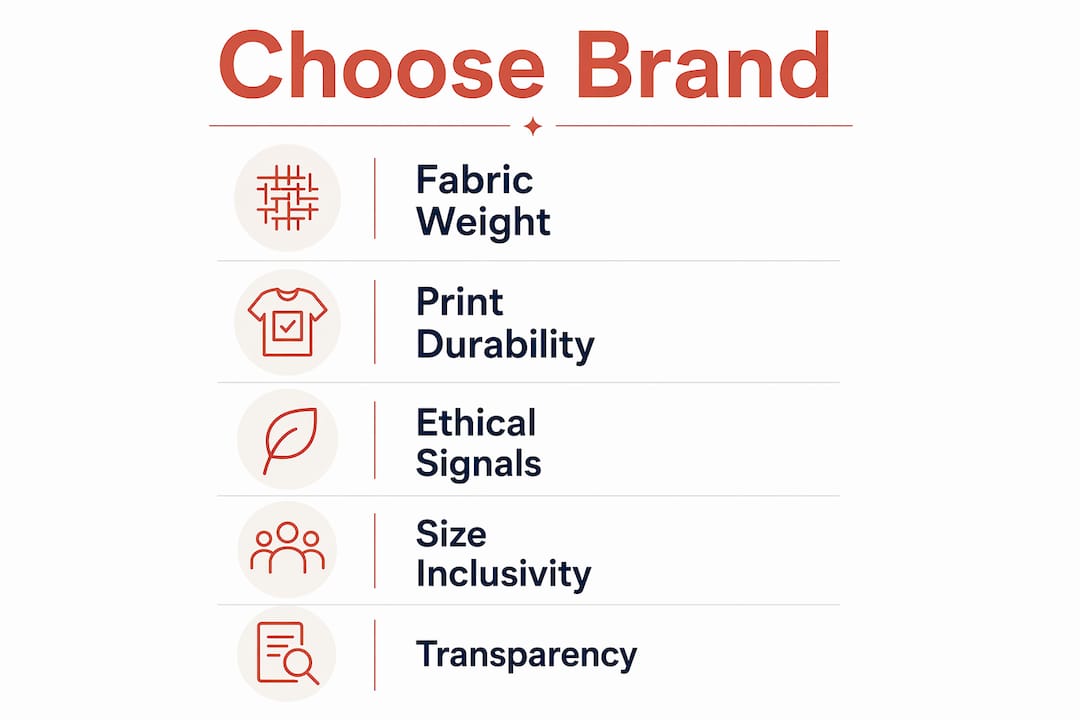
- Silhouette and fit — Does the brand offer the cut you actually wear? Boxy streetwear and fitted modest pieces serve different wardrobes. Check the size chart before anything else.
- Fabric weight and care — Look for GSM or fabric composition on the product page. If it’s not listed, email and ask. A brand that knows its materials will answer immediately.
- Return and exchange policy — Online sizing is imperfect. A 30-day return window with free exchanges is the standard worth expecting.
- Manufacturing transparency — Where is it made? Is printing in-house or outsourced? Brands that treat clothing as a lifestyle brand with clear sourcing tend to hold up better over time.
- Inclusive sizing — Does the size range reflect the actual customer base? XS–3X minimum is a reasonable bar.
- Price-to-value ratio — A heavyweight tee with durable printing beats a thin tee you replace in a few months.
Sample questions to ask on product pages or in reviews: What is the fabric GSM? Does the print crack after washing? Does it run true to size? Is this piece made in-house or at a third-party facility?
If style is your primary driver, weight silhouette and fabric. If mission matters most, weight the brand’s transparency and messaging clarity. Budget shoppers should focus on return policy and fabric durability — a cheap piece with no returns is the worst value.
Where to buy Christian apparel and what prices to expect
Most faith-based apparel brands sell direct-to-consumer through their own sites, which keeps prices cleaner and gives you direct access to sizing guides and care info. Boutique marketplaces and church-adjacent retailers carry some brands, and seasonal pop-ups or limited drops are common for streetwear-leaning labels.
Premium Christian streetwear commands higher prices for heavyweight textiles and limited-edition runs. Here’s a realistic price map:
| Item | Entry-Level | Premium / Heavyweight |
|---|---|---|
| Graphic tee | $20–$40 | $35–$60 |
| Pullover hoodie | $40–$60 | $60–$90 |
| Zip hoodie / jacket | $50–$70 | $65–$110 |
| Denim jacket | $60–$80 | $90–$140 |
| Modest dress / midi | $40–$65 | $65–$110 |
Higher prices are justified when the brand specifies fabric weight, uses durable screen-printing, and offers a real return window. Seasonal drops and limited editions often sell out, so signing up for email lists is the practical move for streetwear-leaning pieces.
Why Thepreciouslamb fits modern Christian-fashion needs
Thepreciouslamb balances trend-forward design, heavyweight construction, and a direct-to-consumer model that keeps quality accessible for style-conscious U.S. shoppers.
The product range covers both dominant categories. On the streetwear side: a boxy heavyweight short-sleeve shirt, a snow-washed distressed panel pocket hoodie, and a denim vintage washed heavyweight jacket that hits the higher-ticket outerwear tier. On the elevated lifestyle side: a women’s quarter-zip short-sleeve romper and vintage wash heavyweight denim jeans that work as polished casual staples.
Trust signals to look for on Thepreciouslamb product pages: fabric composition and weight listed in the description, a sizing guide, behind-the-scenes product imagery showing seam and print detail, customer reviews on bestsellers, and clear care instructions. Behind-the-scenes content and close-up shots are a practical indicator that the brand stands behind its construction.
How leading brands approach sustainability beyond sourcing
Ethical sourcing is the floor, not the ceiling. The brands worth watching in faith-based apparel are moving toward environmental practices that show up in tangible ways: recycled or low-impact packaging, reduced water-use dyeing processes, and small-batch production that limits overstock waste.
Small-batch runs matter more than most shoppers realize. A brand that produces in limited quantities isn’t just creating scarcity for marketing purposes — it’s reducing the volume of unsold inventory that ends up in landfills. Minimal packaging (recycled mailers, no excess tissue or plastic inserts) is another signal that environmental thinking extends past the garment itself.
When evaluating a brand’s sustainability claims, look for specifics. “Eco-conscious” with no detail is marketing. “Printed on 100% organic ring-spun cotton in a water-based ink process” is a claim you can verify.
Inclusive sizing and representation in Christian clothing brands
The faith-based apparel space has historically lagged on size inclusivity, but that’s shifting. Brands that genuinely serve a broad audience publish size charts with actual measurements (not just S/M/L/XL), offer extended sizing through at least 2X or 3X, and show those sizes on real models rather than only on size-2 fits.
Representation matters in product photography too. A brand whose imagery reflects the actual diversity of its customer base — different body types, skin tones, and styling approaches — is signaling that its sizing and fit decisions were made with that range in mind, not as an afterthought.
Before buying, check whether the brand’s size chart includes chest, waist, and hip measurements alongside the letter sizes. That single detail separates brands that have done the fit work from those that haven’t.
Promotional offers and loyalty programs to look for
Most direct-to-consumer Christian apparel brands run a predictable promotional calendar: a welcome discount (typically 10–15% off) for email sign-ups, seasonal sales around major holidays, and occasional limited-edition drops that move at full price. Loyalty or points programs are less common in this space than in mainstream fashion, but some brands offer early access to new drops or free shipping thresholds as informal perks.
The practical move: sign up for the email list of any brand you’re seriously considering. Welcome discounts are real, and drop notifications for limited streetwear pieces are often the only way to catch them before they sell out. Free shipping thresholds vary by brand, so check before adding items to hit a minimum.
How to care for Christian clothing materials to keep them looking sharp
Heavyweight cotton and screen-printed pieces need specific care to hold their quality. The general rules:
- Wash inside-out in cold water to protect print surfaces and reduce fading
- Avoid high-heat drying for heavyweight cotton — tumble dry low or air dry flat to prevent shrinkage and preserve GSM weight
- Linen-cotton blends do best on a gentle cycle and air-dried; high heat causes linen fibers to stiffen and lose drape
- Screen-printed graphics: never iron directly on the print; use a pressing cloth or iron inside-out
- Denim: wash infrequently (spot-clean when possible), cold water only, hang to dry to maintain wash character and prevent shrinkage
Following the care label is non-negotiable for premium pieces. A $90 hoodie that gets hot-washed and high-heat dried three times is a $90 mistake.
Key Takeaways
The strongest Christian clothing brands pair heavyweight, durable construction with clear ethical values — fabric quality and fit should drive your buying decision before messaging does.
| Point | Details |
|---|---|
| Two style directions | Mission-driven streetwear and modest/elevated lifestyle wear serve different wardrobes — identify yours first. |
| Fabric signals quality | Look for heavyweight cotton (280–380 GSM), linen-cotton blends, and durable screen-printing listed on the product page. |
| Ethical signals to check | Transparent sourcing, in-house or small-batch production, and minimal packaging separate real values from marketing language. |
| Inclusive sizing matters | Confirm the brand publishes actual measurements (chest, waist, hip) and shows extended sizes on real models. |
| Thepreciouslamb | Offers heavyweight tees, denim jackets, hoodies, and elevated lifestyle pieces with behind-the-scenes imagery and sizing guides. |
Why Christian fashion deserves more credit than it gets
The default assumption about faith-based clothing is that it trades style for message. That assumption is about a decade out of date. The best work happening in this space right now treats the garment as the primary product and the message as the reason it earns repeat wear. That’s a meaningful distinction.
What gets overlooked is how much the tactile experience matters to long-term loyalty. A piece that fits well, holds its shape after washing, and uses a print that doesn’t crack after three months becomes a wardrobe staple. A piece that does none of those things ends up in a donation bin regardless of how good the scripture on it reads. The brands getting this right are the ones investing in GSM, construction details, and honest sizing — not the ones with the most followers.
The other thing worth saying: modest fashion and streetwear are not in tension. The best brands in both categories are solving the same problem — making clothes that feel intentional and worth wearing again. The faith element adds a layer of meaning, but it doesn’t excuse poor construction. Hold the brands you shop to the same standard you’d apply to any premium casual label.
Thepreciouslamb’s curated collection is worth a browse
Thepreciouslamb brings together heavyweight streetwear and elevated casual pieces in one direct-to-consumer storefront — no hunting across multiple boutiques for quality that holds up.
The contrast-piped button-up jersey is a strong starting point if you want something that reads polished without trying too hard. For outerwear, the denim vintage washed heavyweight jacket delivers the construction quality the price point demands. Both ship directly from Thepreciouslamb, so check the product pages for current sizing guides, care details, and return policy before you order — everything you need to buy with confidence is right there.