
The fastest way to stay warm without drowning your fit is the base, mid, and outer layer rule: a moisture-managing base, an insulating mid layer like a hoodie or overshirt, and a wind-resistant outer piece such as a puffer or wool coat. Fit and texture, not extra fabric, are what keep the silhouette sharp. The outfit formulas below turn that rule into looks you can actually copy.
TL;DR:
- Layering with a moisture-wicking base, insulating mid layer, and wind-resistant outer piece is key, with fabric choice influencing warmth and silhouette.
- Wool and synthetic materials provide the best insulation-to-weight ratio, while cotton is unsuitable for wet or snowy conditions.
- Keeping layers fitted and proportioned prevents bulk, with structured outer pieces and relaxed mid layers creating a balanced look.
- Essential pieces include a thermal base, heavyweight hoodie, denim jacket, and packable puffer, tailored for versatile winter streetwear outfits.
- Proper storage and care of damp layers and materials like wool and down extend wardrobe longevity and maintain performance.
Table of Contents
- How does winter streetwear layering actually work?
- What fabrics keep you warm without adding bulk?
- How do you layer clothes without looking bulky?
- Which streetwear pieces do you actually need this winter?
- What are the best outfit formulas for winter streetwear?
- What accessories keep you warm without ruining your fit?
- Four outfit concepts worth recreating this season
- How do you keep layered streetwear looking good all winter?
- What makes ThePreciousLamb’s styling advice worth trusting?
- Why fit beats fabric count every time
- Shop the pieces that make these formulas work
- Sources
How does winter streetwear layering actually work?
Winter streetwear layering comes down to three jobs, each handled by a different piece of clothing. Skip a job, or double up on one by accident, and you either freeze or look like you raided a camping store.
The base layer sits against your skin and manages moisture. Think a thermal top or a snug long-sleeve tee, something thin enough to disappear under everything else. The mid layer is where streetwear actually shows up: a heavyweight hoodie, a knit sweater, or an overshirt that traps warm air while doing the visual heavy lifting. The outer layer blocks wind and precipitation. A compressible puffer, a wool coat, or a heavier shell goes here, and it’s the piece most people size up on purpose to fit everything underneath.
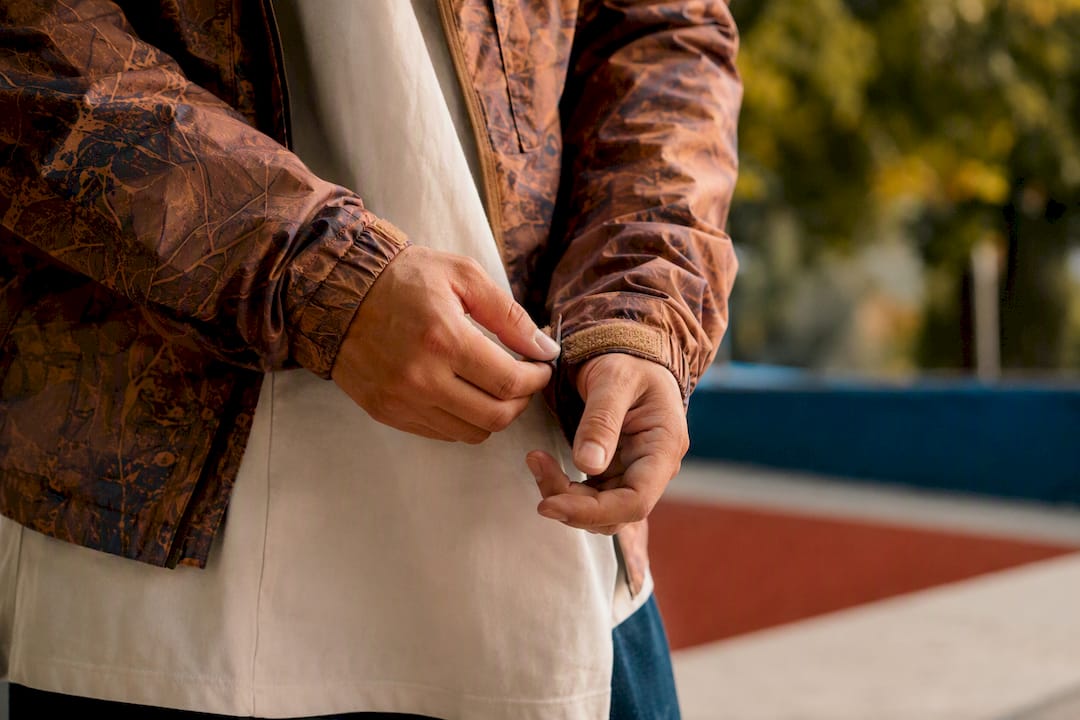
Multiple style guides point to this base to mid to outer sequencing as the standard approach for a reason: thin fabrics close to the body trap heat more efficiently than one thick layer, and it gives you the flexibility to peel off a layer the second you step onto a crowded train.
Temperature and activity should decide how many layers you’re actually wearing:
- In mild cool weather when moving around, a base layer plus a mid layer is often sufficient for warmth. A hoodie alone can carry you.
- In moderately cold weather, add a light outer layer, like a denim jacket or a shacket, over the hoodie.
- When it is very cold or when standing still, use all three layers with a genuinely insulated outer piece rather than just a fashion jacket.
- Rainy or slushy days: swap your outer layer for something water-resistant and skip cotton entirely, since it holds water and stops insulating once wet.
- Heavy indoor time (school, offices, transit): prioritize an outer layer you can shed and stuff into a bag, and keep the mid layer as your main warmth source.
The rule isn’t rigid. It’s a checklist you run through before you leave the house, and the answer changes depending on whether you’re walking six blocks or waiting on a subway platform for fifteen minutes.
What fabrics keep you warm without adding bulk?
Fabric choice matters more than layer count. Two people wearing three layers each can have wildly different warmth and wildly different silhouettes, and the difference is almost always the material.
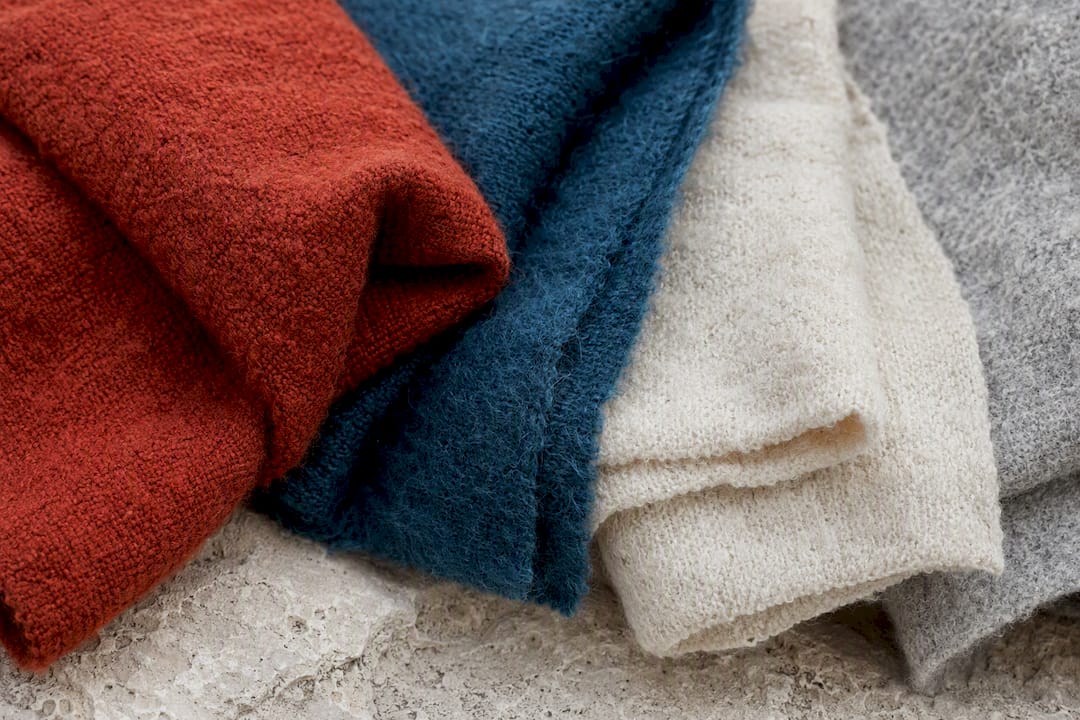
Wool and merino wool are the best base and mid layer options for warmth-to-weight ratio. Merino in particular regulates temperature and resists odor, which matters if you’re wearing the same base layer two or three days in a row. Fleece is a lighter, cheaper alternative for mid layers. It insulates well and compresses down small, though it doesn’t block wind on its own. Down is the gold standard for outer layer insulation because it traps the most heat per ounce of material, but it loses effectiveness when wet unless it’s treated. Synthetic insulation (used in most budget and mid-range puffers) performs almost as well as down and holds up better in damp weather, making it the safer pick for anyone who doesn’t want to babysit a jacket.
Cotton is the one fabric to watch. It feels comfortable and looks great in a hoodie or overshirt, but it absorbs moisture and loses its insulating properties once wet, which is why it’s a fine mid layer choice on dry days and a bad base layer choice anywhere near snow or rain.
A reliable fabric stack for most winter days looks like this:
- Merino or synthetic thermal base layer
- Cotton graphic tee (optional, for visual layering under a hoodie)
- Fleece or heavyweight cotton hoodie as mid layer
- Synthetic-fill puffer or wool coat as outer layer
Statistic Callout: Style guides consistently frame layering as a texture and proportion exercise rather than a fabric-stacking one — the right combination of materials creates visual depth without adding real bulk to the silhouette.
How do you layer clothes without looking bulky?
Bulk isn’t caused by wearing three layers. It’s caused by wearing three layers that are all the same volume. The fix is proportion: fitted where it counts, relaxed where it adds warmth, structured where it needs to hold a shape.
Start with a fitted or slim base layer. This is non-negotiable. If your thermal top or long-sleeve tee is loose, every layer on top of it balloons out and the whole outfit reads as oversized in a bad way. Your mid layer can run relaxed, since a slightly oversized hoodie or overshirt adds warmth and streetwear attitude without looking sloppy, especially if it’s cropped or has a cleaner hem. Your outer layer needs structure. A puffer or coat with defined shoulders and a real silhouette holds the whole look together, even if it’s sized up to fit everything underneath.
A few tricks that separate an intentional layered look from a pile of clothes:
- Tuck the base layer or mid layer into your bottoms to create a visible waistline instead of letting every layer blend into one shapeless block.
- Keep sleeve lengths staggered: a slightly longer base layer sleeve peeking out from under a cropped hoodie sleeve reads as deliberate.
- Pair a fitted hoodie under a structured coat rather than two loose pieces stacked on each other. Our guide to wearing a hoodie under a jacket breaks down exactly how that proportion works.
- Use a denim jacket as a mid layer under a wool coat on genuinely cold days. Denim adds structure without adding the bulk of a second puffer.
Pro Tip: Place your most textured piece, like a brushed wool coat or a shearling collar, in the mid or outer layer instead of the base. It reads as visual depth against a smooth hoodie underneath, which is a trick GQ’s layering breakdown leans on constantly.
Which streetwear pieces do you actually need this winter?
You don’t need a closet overhaul. You need a short list of pieces that each do a specific job and can be mixed across multiple outfits.
- Thermal or long-sleeve base layer. Merino if you can afford it, a cotton-poly blend if you’re budgeting. This is your everyday foundation piece.
- Graphic tee. Worn under a hoodie or over a thermal, it adds a visible layer without adding warmth math to worry about.
- Heavyweight hoodie. The workhorse of winter streetwear. A fleece-lined zip hoodie holds up in more scenarios than almost anything else in your closet.
- Overshirt or shacket. Flannel or heavyweight cotton, worn open over a hoodie or buttoned as its own mid layer.
- Denim jacket. Doubles as a mid layer on cold days or a standalone outer layer on mild ones. Editorial roundups consistently list denim jackets among the winter streetwear essentials, and our own denim jacket outfit ideas show how far one piece can stretch.
- Compressible puffer. Your grab-and-go outer layer for commuting, since it stuffs into a bag the second you’re indoors.
- Wool coat. The one piece worth spending more on. It’s the outer layer that reads as intentional in almost any setting.
- Straight-leg denim or cargo pants. Structured bottoms balance a bulkier top half.
If you’re building this wardrobe on a budget, prioritize the hoodie and the Essential Street Shirt – Tekton LA overshirt first. They’re the two most versatile pieces, doing double duty as both a standalone look and a mid layer under a coat. The puffer and wool coat are worth saving for once you’ve got the mid-layer rotation covered.
What are the best outfit formulas for winter streetwear?
These formulas cover the scenarios you’ll actually face this season, from a mild fall afternoon to a genuinely brutal cold snap. Each one lists the layers, bottoms, footwear, and one accessory that pulls it together.
- Mild day (45 to 55°F): Long-sleeve base layer, heavyweight hoodie, no outer layer needed. Straight-leg denim, low-top sneakers, a beanie for the wind. This is your transitional fall streetwear outfit that carries into early winter.
- Standard cold (30 to 45°F): Thermal base, fleece hoodie, denim jacket as outer layer. Cargo pants, mid-top sneakers or boots, a crossbody bag to keep hands free. The denim jacket adds structure without the bulk of a puffer.
- Wet or slushy days: Synthetic base layer (skip cotton entirely), fleece mid layer, water-resistant shell or treated puffer. Straight-leg pants cuffed above the ankle, waterproof boots, a scarf tucked into the collar. Keep everything synthetic here since cotton fails the moment it’s damp.
- Subzero or extreme cold: Merino base, heavyweight hoodie, wool coat over the top. Insulated pants or layered denim over thermal leggings, insulated boots, thick gloves. This is the only scenario where three genuinely heavy layers make sense together.
- Transit and commuting: Fitted base layer, packable fleece mid layer, compressible puffer that stuffs into a tote the second you’re on the train. Straight-leg jeans, comfortable sneakers, and a beanie you can pocket. Style guides consistently recommend packable mid and outer layers for exactly this reason: temperature swings between outdoor platforms and heated train cars happen fast.
- Indoor to outdoor days (school, office, errands): Graphic tee over a thermal base, zip hoodie as an easy on/off mid layer, overshirt or light jacket as outer layer. Denim, sneakers, a tote bag. The zip hoodie is the star here since you can vent it the second you’re inside. Our zip hoodie outfit formulas cover six variations on this exact setup.
- Dry, cold evening out: Fitted turtleneck base, striped sweater or knit as mid layer, structured wool coat. Straight-leg trousers, boots or suede mules with chunky socks if the ground is dry, a single statement accessory like a scarf.
- Layered tee combo for milder cold: Long-sleeve base, graphic tee layered on top, open flannel overshirt. Denim jeans, sneakers, no outer layer needed until the wind picks up. Our tee layering guide has a dozen more combinations built on this same base.
Quick adjustment tips worth remembering: always carry a compressible layer in your bag on days with more than a 15 degree swing, and prioritize easy-off outer layers on any day involving public transit or multiple indoor stops. A puffer you can crush into a small pouch is worth more than a warmer coat you have to carry over your arm all afternoon.
What accessories keep you warm without ruining your fit?
Your head, neck, hands, and feet lose heat fastest, and they’re also the easiest place to add warmth without touching your outfit’s silhouette at all.
- A beanie is the single highest-impact accessory for winter streetwear. It adds real warmth and finishes off almost any outfit without competing for attention.
- A scarf works double duty: warmth around the neck and a texture layer that breaks up a monochrome outfit.
- Gloves matter more than people expect once temperatures drop below freezing, and touchscreen-compatible ones are worth the few extra dollars.
- Footwear is where practicality and style pull in different directions. Boots offer the most protection in snow or slush. Sneakers keep the look casual but sacrifice warmth and traction. On dry, cold days, suede mules with chunky socks are a legitimate proportion-friendly alternative to heavy boots, though they’re a bad call anywhere near wet pavement.
- Suede and leather need extra care in winter. Salt stains and moisture damage both materials quickly, so a waterproof spray before the season starts and a suede brush on hand will save your favorite boots.
Four outfit concepts worth recreating this season
Photographed examples make proportion rules click faster than any written description, since seeing how a hoodie sits under a coat tells you more than a paragraph explaining sleeve length. Reference product imagery on Thepreciouslamb’s site when trying to visualize how these pieces should actually sit on your frame.
- The layered classic: Thermal base, heavyweight hoodie, denim jacket over top. Straight-leg jeans, mid-top sneakers, a beanie. Fitted base under a relaxed hoodie keeps the denim jacket from looking stuffed.
- The elevated cold-weather look: Turtleneck base, striped knit sweater, wool coat. Tailored trousers, boots, a single leather bag. This one leans dressier and works for indoor events that still require an outdoor commute.
- The commuter formula: Fitted base, packable fleece, compressible puffer. Cargo pants, sneakers, a crossbody bag. Every piece here is chosen because it stuffs down small the second you’re indoors.
- The dry-day statement look: Graphic tee, open overshirt, no heavy outer layer needed. Denim, suede mules with thick socks, a scarf for texture. Save this one for genuinely dry, above-freezing days only.
Swap the wool coat for a puffer on colder days, or drop the overshirt entirely once temperatures climb back toward 50°F. The formulas hold up as long as the fitted-to-relaxed-to-structured proportion stays intact.
How do you keep layered streetwear looking good all winter?
Damp layers are the biggest threat to a winter wardrobe, both for the fabric and for the smell that sets in when a hoodie doesn’t fully dry between wears.
- Hang damp mid layers flat or on a wide hanger instead of balling them into a gym bag, which traps moisture and speeds up odor.
- Compressible puffers should be stored loosely once you’re home. Constant compression in a bag breaks down the fill over a season.
- Wash wool and merino on cold, gentle cycles or hand wash, and never wring them out.
- Fleece holds up to regular machine washing but should skip the dryer’s high heat, which flattens the pile.
- Down jackets need a dryer-safe cycle with tennis balls to redistribute the fill, not just air drying.
- Suede boots and mules need a waterproof spray applied before the first wear each season, not after the first stain shows up.
What makes ThePreciousLamb’s styling advice worth trusting?
These formulas aren’t theoretical. They’re built around the pieces Thepreciouslamb actually designs: button-up jerseys, striped sweatshirts, fleece zip hoodies, and denim jackets that are cut with layering in mind rather than as an afterthought. The brand’s behind-the-scenes content shows the fit and fabric decisions that go into each piece, which is exactly the kind of detail that determines whether a hoodie layers cleanly under a coat or bunches up at the shoulders.
Author Joshua draws on years of studying how streetwear proportions translate from editorial photography into pieces people actually wear on cold mornings. The outfit examples throughout this guide reflect the same texture and fit logic Thepreciouslamb applies to its own product photography, where every piece is styled to show how it sits layered rather than in isolation. That’s a deliberate choice, and it’s why the brand’s Instagram feed leans heavily on real layered looks instead of studio flat-lays.
Why fit beats fabric count every time
Most winter style advice treats layering like a math problem: add layers until you’re warm. That’s backward. The real skill is knowing which layer to make thin, which to make relaxed, and which to size up, and most people never get past step one.
Here’s what the conventional advice gets wrong: it treats every layer as equally important, when really your base layer and your outer layer do almost all the technical work while your mid layer does almost all the visual work. Spend your money on a genuinely good base layer and a structured outer piece, and treat the mid layer as your styling playground where a slightly oversized hoodie or a loud knit can carry the whole outfit.
If you take one thing from this guide, make it this: buy the fitted thermal before you buy the third puffer. Warmth is solved with fabric science. Style is solved with proportion. Most people only ever solve the first problem.
— Joshua
Shop the pieces that make these formulas work
Every formula above depends on having the right mid and outer layers on hand, not just the right idea. Thepreciouslamb built its denim and fleece pieces specifically to layer clean under a coat or over a thermal, so you’re not fighting bulk every time you add a piece. The Denim Vintage Washed Heavyweight Jacket is cut to work as either a standalone outer layer on mild days or a structured mid layer under a wool coat once it drops below freezing.

For the mid-layer rotation, the Contrast-Stitched Boxy Fleece Zip Hoodie compresses down for transit days and holds its shape under a puffer. If you want a mid layer with more texture for dry, cold evenings, the Contrast Striped Lapel Collar Sweatshirt adds the kind of visual depth this guide keeps coming back to, without the added bulk of a second hoodie. Size the hoodie true to fit and size the jacket one step up so it layers cleanly over everything underneath. Browse the full collection at Thepreciouslamb and build your rotation around whichever formula matches your coldest commute.
Sources
- Street-wear layering 101: Build your street-style wardrobe with these pieces for winter | GQ India
- Why Suede Mules and Chunky Socks Are the Ultimate Winter Streetwear Uniform
- Master the Art of Layering: Ultimate Guide to Winter Streetwear