
Which fabric is more eco-friendly depends entirely on which environmental impacts matter most to you. Recycled polyester (rPET) generally wins on carbon emissions and energy use, cutting CO₂ by 30–60% and energy by 45–85% compared to virgin polyester. Cotton, especially organic, wins on biodegradability and microplastic avoidance. Neither is a clean answer.
- Prioritize carbon and energy? Recycled polyester has a clear edge over virgin synthetics.
- Worried about microplastics or want a fabric that breaks down? Cotton is the safer bet.
- Practical takeaway: Look for certified materials (GRS/RCS for rPET, GOTS for organic cotton) and buy fewer, longer-lasting pieces.
Key Takeaways
Neither recycled polyester nor cotton is universally more sustainable: the right choice depends on which environmental impacts you prioritize and how long you keep the garment.
| Point | Details |
|---|---|
| rPET wins on carbon and energy | Recycled polyester uses 45–85% less energy and produces 30–60% fewer CO₂ emissions than virgin polyester. |
| Cotton wins on microplastics and biodegradability | Cotton fibers biodegrade; polyester microfibers persist in waterways after every wash cycle. |
| Certifications are the only reliable signal | GRS/RCS verifies recycled content; GOTS covers organic cotton with social standards; OEKO-TEX tests for restricted substances. |
| Blends undermine circularity | Poly-cotton blends are rarely recyclable at scale and typically end in landfill or incineration. |
| Thepreciouslamb prioritizes longevity | Cotton-based basics and durable outerwear built for long wear reduce per-wear impact more than fiber swaps alone. |
Table of Contents
- How recycled polyester and cotton are actually made
- What the lifecycle data actually shows
- How durability and care change the real-world math
- Greenwashing, circularity limits, and social costs
- How to choose: a practical checklist
- Washing, repair, and end-of-life: reducing harm after purchase
- Which fabric should you choose? Quick recommendations by priority
- How Thepreciouslamb thinks about material choices
- Responsibly made basics at Thepreciouslamb
- Sources
How recycled polyester and cotton are actually made
Understanding the production chain is what makes lifecycle claims legible. Here is what actually happens before a garment reaches you.
Recycled polyester (rPET): two very different processes
Thermomechanical recycling is the dominant method. Post-consumer PET bottles are collected, sorted, shredded into flakes, melted, and extruded into fiber. It is relatively low-cost and widely deployed, but it degrades polymer quality with each cycle and depends heavily on clean, homogeneous feedstock. The electricity mix powering the plant is a major driver of how green the output actually is.
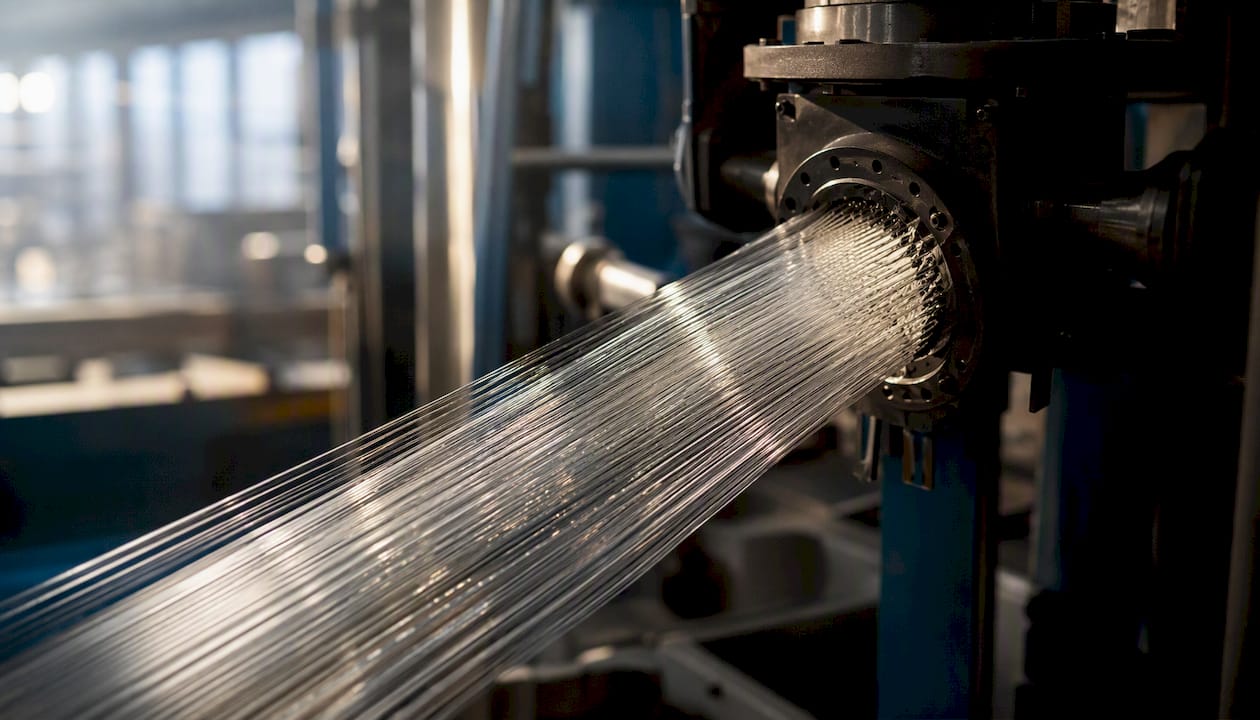
Chemical recycling (solvolysis or depolymerization) breaks the polymer down to its monomer building blocks, which can then be rebuilt into virgin-quality fiber. It holds real promise for fiber-to-fiber recycling, but today it uses more energy and chemicals than thermomechanical methods, and it operates mostly at small or pilot scale. The Textile Exchange LCA makes this distinction clearly: recycling method and electricity source are the biggest variables in rPET’s environmental performance.
Conventional and organic cotton
Conventional cotton farming is input-heavy. It relies on synthetic pesticides, fertilizers, and irrigation in most major growing regions. Ginning, spinning, dyeing, and finishing add chemical and water loads on top of that. IISD’s analysis confirms that farming is where the dominant upstream impacts sit: water consumption and agrochemical use.
Organic cotton changes the inputs significantly. No synthetic pesticides, reduced water in some systems, and soil practices that can lower global warming potential. Voluntary sustainability standards (VSS) like Better Cotton also move the needle, though less dramatically than certified organic.
A note on blended fabrics
Poly-cotton blends are everywhere in casual wear, and they create a real circularity problem. Separating bonded natural and synthetic fibers is expensive and rarely practical at scale. IISD notes that blends typically end their life in landfill or incineration because advanced chemical recycling for mixed fibers is still emerging. If end-of-life recyclability matters to you, pure-fiber garments, are a much cleaner choice than poly-cotton blends.
What the lifecycle data actually shows
This is where the comparison gets genuinely complicated. No single metric tells the whole story.
Climate, energy, and water
| Impact category | Recycled polyester (rPET) | Conventional cotton | Organic cotton |
|---|---|---|---|
| Energy use | 45–85% lower than virgin polyester | High (farming + processing) | Moderate reduction vs. conventional |
| CO₂ emissions | 30–60% lower than virgin polyester | Moderate-high | Lower than conventional |
| Water use | Very low (synthetic fiber) | Very high (irrigation-intensive) | High, but lower in some systems |
| Land use | Minimal | Significant | Significant (lower yield per acre) |
| Chemical inputs | Varies by recycling process | High (pesticides, fertilizers) | Low (no synthetic pesticides) |
Key figure: Reviewed LCAs show rPET uses 45–85% less energy and produces 30–60% fewer CO₂ emissions than virgin polyester. Those ranges are wide because electricity mix, transport distance, and recycling technology all shift the result.
Cotton’s water footprint is its most cited liability. Conventional cotton farming in arid regions can be extraordinarily water-intensive, and IISD’s research points to pesticide and fertilizer use as the other dominant upstream burden. Organic practices reduce chemical inputs substantially and can lower the crop’s global warming potential, though water use remains high in most growing systems.
Microplastics: the rPET problem that does not go away
This is where recycled polyester’s sustainability story gets complicated. Lab testing has found that some rPET fabric samples shed more microfibers than virgin polyester, with one reported test showing roughly 55% more fibers per gram in certain recycled samples. Fabric construction and finishing matter enormously here: a tightly woven rPET fabric may shed far less than a loosely knit one, regardless of whether the fiber is recycled or virgin.
Cotton biodegrades. Polyester, recycled or not, does not. Every wash cycle releases microfibers that pass through wastewater treatment and enter waterways. That persistent environmental load is a real cost that carbon-focused LCAs often undercount.
- Microfiber shedding varies more by fabric construction than by fiber origin alone.
- Cotton microfibers biodegrade; polyester microfibers accumulate in aquatic ecosystems.
- Finishing treatments and tight weave structures reduce shedding in both fiber types.
Pro Tip: When buying rPET activewear, look for tightly woven or brushed-back constructions rather than open-knit fleeces, which shed significantly more.
How durability and care change the real-world math
A garment’s environmental cost per wear drops every time you wear it. That simple fact makes durability and care habits as important as fiber origin.
Durability and lifespan
Polyester, including rPET, resists stretching, holds its shape through repeated washing, and dries fast. Those properties make it genuinely better for high-use activewear and outerwear. Cotton softens and wears in beautifully but can pill, shrink, or lose shape faster under heavy washing. For a capsule wardrobe built around longevity, the right fiber depends on the garment’s job.
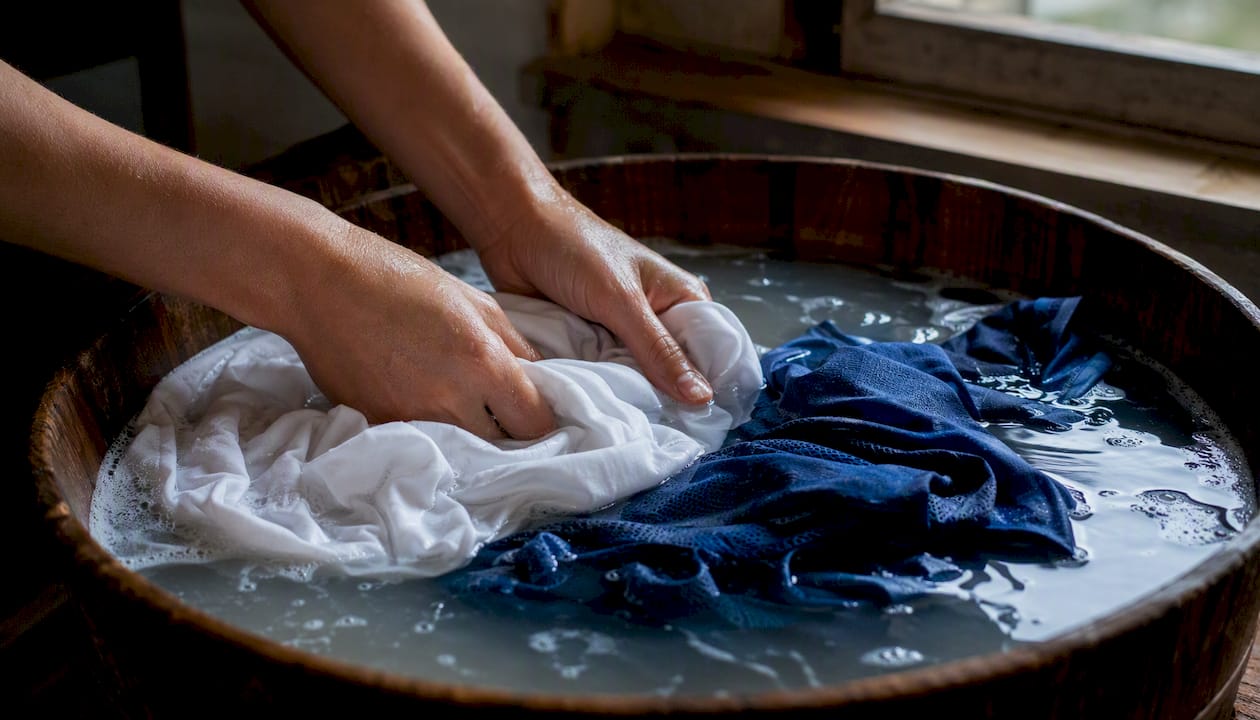
A denim jacket worn 200 times has a fraction of the per-wear footprint of a fast-fashion tee worn 10 times, regardless of what fiber either is made from. That is the cost-per-wear principle, and it is one of the most practical sustainability levers available to shoppers.
Comfort and breathability
Cotton breathes. Its natural moisture-wicking and temperature-regulating properties make it the clear winner for warm climates, everyday casual wear, and anyone with sensitive skin. Polyester traps heat and can retain odor over time, though performance finishes and open-knit constructions reduce both issues in activewear.
For a t-shirt worn in summer heat, cotton is simply more comfortable. For a hoodie worn during a workout or in variable weather, rPET’s shape retention and quick-dry properties earn their place.
Care habits that actually reduce impact
- Wash less frequently. Most garments do not need washing after every wear.
- Use cold water. Hot water accelerates fiber breakdown and uses significantly more energy.
- Air dry when possible. Tumble drying is hard on both cotton and polyester.
- Repair before replacing. A loose seam or small hole is fixable; a landfilled garment is not.
For more on how fabric choice connects to garment style and care, the sweatshirt vs sweater breakdown covers practical care differences worth knowing.
Greenwashing, circularity limits, and social costs
This is the part of the recycled polyester conversation that marketing rarely mentions.
The greenwashing problem
“Made with recycled materials” is one of the most common vague claims in fashion. Without a percentage and a feedstock disclosure, it means almost nothing. Good On You’s reporting makes the point directly: recycled polyester becomes a sustainability fig leaf when brands use it to justify continued overproduction without improving end-of-life design or reducing volume. It is just better at marketing.
The small-batch production model is one of the more honest structural responses to this problem: fewer units, made with intention, sold at a price that reflects real cost.
Downcycling and the bottle diversion issue
Most rPET in apparel comes from post-consumer PET bottles, not from old garments. The Conversation’s analysis raises a point that rarely makes it into brand marketing: diverting bottles into clothing can pull material away from beverage recycling systems, where bottles can be recycled into bottles repeatedly. Turning a bottle into a fleece is a one-way trip. The fleece cannot be recycled back into a bottle or, in most cases, into another garment.
Fiber-to-fiber textile recycling exists but accounts for a very small share of current rPET production. Chemical recycling could change that, but it remains energy-intensive and limited in scale today.
Social and labor risks
The Textile Exchange LCA’s social assessment flagged severe human rights risks across parts of the polyester supply chain, including informal waste collection and processing. Cotton supply chains carry their own labor concerns, particularly in regions where picking remains manual and labor protections are weak. Neither fiber is automatically clean on social grounds.
Pro Tip: Ask brands for the exact percentage of recycled content, the feedstock source (bottles vs. textile waste), and whether they hold a GRS or RCS certificate. A brand that cannot answer those three questions clearly is not ready to make sustainability claims.
How to choose: a practical checklist
Your priorities should drive the decision. Here is a framework that maps common values to concrete actions.
- Carbon and energy reduction is your top priority: Choose certified rPET (GRS or RCS) over virgin polyester. Verify the recycling method if possible; thermomechanical from a renewable-energy grid is the strongest option available today.
- You live in a water-stressed region or care about water use: Cotton’s water footprint is high. rPET uses far less water in production. Organic cotton is better than conventional but still water-intensive.
- Microplastic avoidance matters most: Choose cotton, especially for garments washed frequently. If you buy rPET, prioritize tightly woven constructions and use a microfiber filter bag (see Section 7).
- Biodegradability and end-of-life: Cotton biodegrades; polyester does not. For garments likely to wear out and be discarded, cotton is the lower-risk choice.
- Worker welfare: Look for GOTS (organic cotton with social standards) or Fair Trade certification. For rPET, GRS certification covers recycled content but not labor conditions; ask brands directly about their supply chain audits.
- Longevity and durability: For activewear, outerwear, and high-use pieces, rPET’s shape retention and wash durability often make it the longer-lasting choice. For everyday basics, well-made cotton can outlast cheaper synthetics.
Certifications worth trusting
- GRS (Global Recycled Standard) / RCS (Recycled Claim Standard): Verifies recycled content percentage and chain of custody. Does not cover labor or chemical safety.
- GOTS (Global Organic Textile Standard): Covers organic fiber sourcing AND social and chemical standards through the supply chain. The most comprehensive certification for cotton.
- OEKO-TEX Standard 100: Tests finished fabric for restricted substances, including certain additives that some rPET samples have shown in measurable concentrations. Relevant for both fiber types.
For a broader look at how ethical sourcing claims stack up across brands, the guide to ethical brand alternatives covers questions worth asking before you buy.
Red flags to watch for
- “Made with recycled materials” with no percentage stated.
- No feedstock disclosure (bottles vs. textile waste vs. industrial scrap).
- A single sustainability metric used to imply overall eco-friendliness.
- Inconsistent labeling between the website and the physical care tag.
Washing, repair, and end-of-life: reducing harm after purchase
What you do with a garment after buying it shapes a significant portion of its total environmental cost.
Reducing microfiber release during washing
- Use a Guppyfriend wash bag or a washing machine microfiber filter. These capture a meaningful share of shed fibers before they reach wastewater.
- Wash on a gentle, low-spin cycle. High agitation increases fiber release.
- Wash full loads. Friction between garments in a full machine actually reduces per-garment shedding compared to a half-empty drum.
- Front-loading machines shed fewer fibers than top-loaders due to lower agitation.
- Use liquid detergent rather than powder. Powder can act as an abrasive and increase fiber breakdown.
Extending garment life
Repair is the most underused sustainability tool in most wardrobes. A seam, a zipper, a button: most common failures are fixable with basic skills or a local tailor. Resale platforms extend a garment’s useful life without any new production. Some brands offer take-back programs; check the brand’s website directly, as program availability varies.
End-of-life realities
Cotton biodegrades in soil, though the timeline depends on dyes and finishes. A pure, undyed cotton garment breaks down relatively quickly. A dyed, finished cotton garment takes longer. Polyester, recycled or virgin, does not biodegrade in any meaningful timeframe. In landfill, it persists. Incineration recovers some energy but destroys the material permanently.
The practical implication: for garments you expect to wear out and eventually discard, cotton carries a lower long-term environmental burden. For garments you plan to keep and use for years, rPET’s durability may offset that end-of-life disadvantage.
Which fabric should you choose? Quick recommendations by priority
- Lowest carbon footprint: Certified rPET (GRS/RCS), thermomechanical process, renewable-energy grid.
- Lowest water use: rPET by a wide margin over both conventional and organic cotton.
- Microplastic avoidance: Cotton, or tightly woven rPET with a microfiber filter at wash.
- Biodegradability: Cotton, preferably undyed or GOTS-certified.
- Durability and long wear: rPET for activewear and outerwear; well-made cotton for everyday basics.
- Sensitive skin or allergies: Cotton is generally less reactive. For rPET, OEKO-TEX certification reduces the risk of residual additives or contaminants.
Whatever fiber you choose, construction quality and certification matter more than the fiber label alone. A well-made, certified cotton garment worn 300 times beats a poorly made rPET piece worn 20 times on every environmental metric that counts.
How Thepreciouslamb thinks about material choices
At Thepreciouslamb, the material question is not abstract. The garments we carry, from the essential cotton t-shirt to the raw-edge cotton tank top, are built around the principle that a well-made piece worn repeatedly is more sustainable than a trendy piece worn twice. Cotton is our primary choice for everyday basics because it breathes, it lasts when cared for properly, and it does not shed microplastics into waterways with every wash.
We are also transparent about what we do not yet have: a full fiber-to-fiber recycling program, a published LCA for every garment, or GOTS certification across the entire line. What we do commit to is clear labeling, honest material disclosure, and a design-for-longevity approach that prioritizes fewer, better pieces over seasonal churn. Our sourcing priorities align with what this guide recommends: look for brands with genuine craftsmanship commitments and ask the hard questions about where and how garments are made.
Responsibly made basics at Thepreciouslamb
Buying better starts with knowing what you are buying. Thepreciouslamb’s collection is built around pieces designed to last: structured cuts, quality materials, and construction that holds up through real use rather than falling apart after a season.

The Denim Vintage Washed Heavyweight Jacket is exactly the kind of piece this guide recommends: a durable, long-wear outer layer that earns its cost per wear over years, not months. For everyday layering, the Contrast Striped Lapel Collar Sweatshirt offers the kind of considered design that holds up wash after wash. Every product page lists material composition clearly so you know what you are getting before you buy. Browse the full collection at Thepreciouslamb and choose pieces built to stay in your wardrobe.
Sources
- Your recycled polyester leggings are not as sustainable as you think — The Conversation
- Natuclothes
- Sustainable cotton or recycled polyester? The conscious shopper’s dilemma — IISD
- Recycled polyester and fast fashion critique — Good On You
- What Is Recycled Polyester Fabric: Overview & Sustainability — Ecolife